 Scene Report
Photo: PattayaPatrol · CC BY-SA 4.0 · Wikimedia Commons
7 Jun 2026 · India
What actually pays for your night out: the economics of a club night
Artist fees, venue costs, bar margins and ticket math — a look under the hood of how a party makes (or loses) money.
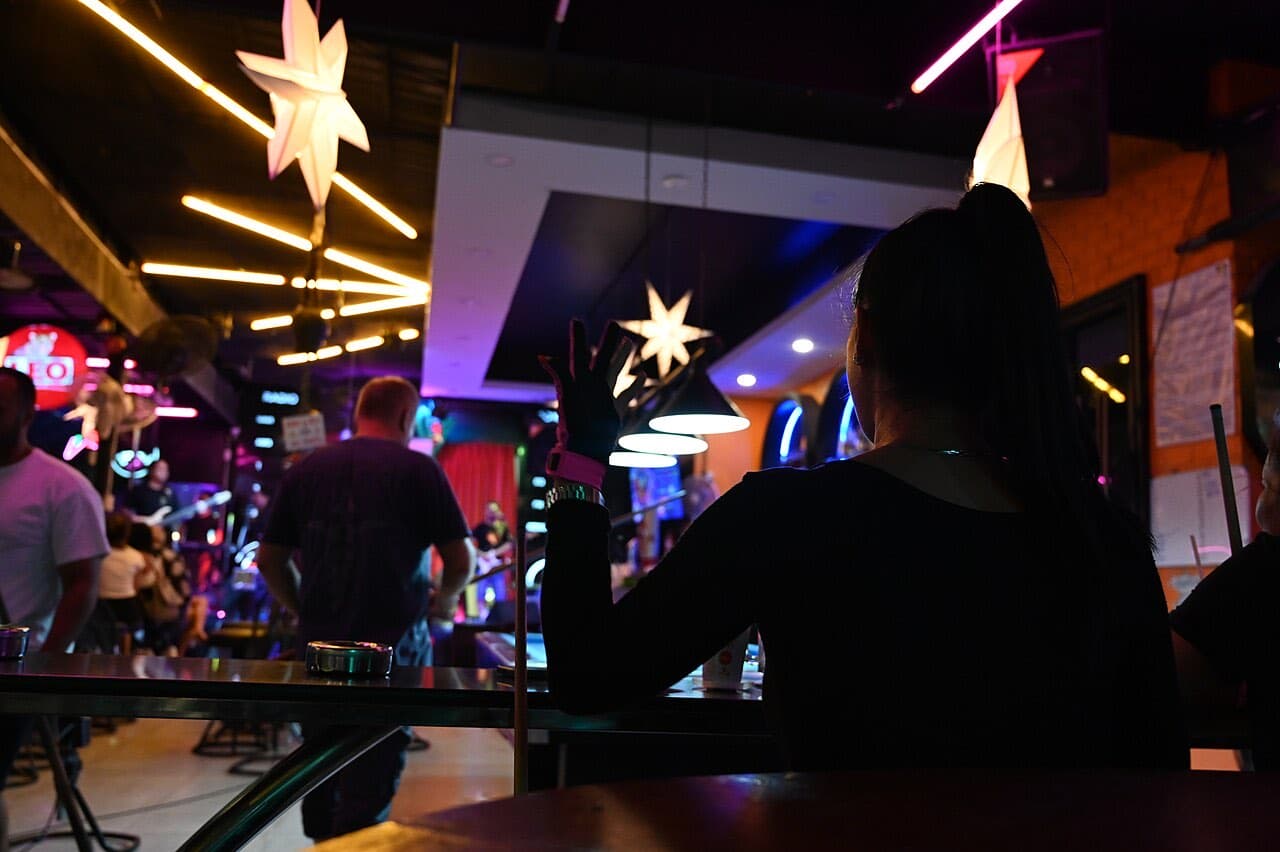
Ever wondered how a party actually works as a business? Behind the music and the lights is a genuinely tricky economic puzzle, and understanding it explains a lot about why nights are priced and run the way they are.
The costs
A single event carries serious expenses: the artist fee (the big one for headline shows), venue hire or revenue share, sound and lighting, security, licensing and permissions, marketing, and staffing. For a touring international act, travel and hospitality pile on top. The bill adds up fast, and it's all spent before a single ticket is sold.
Where the money comes from
Revenue flows from two main taps: entry (tickets and cover) and the bar. At many venues the bar is the real engine — which is why drink pricing works the way it does, and why table bookings with minimum spends matter so much to a venue's bottom line.
The tightrope
Promoters walk a fine line: price too high and the room's empty, too low and you lose money even on a packed floor. A sold-out night doesn't automatically mean profit. It's why guest lists, presales and community matter — filling the room early and reliably is what makes the whole thing viable.
Next time you're out, know that a lot of careful math made that carefree night possible.
Want to be at the next one?
Pronite runs Udaipur's best pool parties, techno nights and lakeside events. Join our free guest list on WhatsApp and never miss a night.
Join the guest listMore from the journal
 Scene Report
4 Jul 2026 · India
July 2026: mid-monsoon nights and the build toward the second half
Where India's scene stands at the year's midpoint — and the events worth watching as the calendar reopens.
 Scene Report
27 Jun 2026 · India
June 2026: the monsoon arrives — and the party moves indoors
Rain reshapes the calendar. How India's nightlife adapts when the outdoor season pauses.
 Scene Report
21 Jun 2026 · India
The afterparty: where the night's best stories are made
When the club closes, the real night begins. An ode to afterparty culture and the people who never go home.