 Landmark
Red Fort (Lal Qila)
Delhi · Delhi
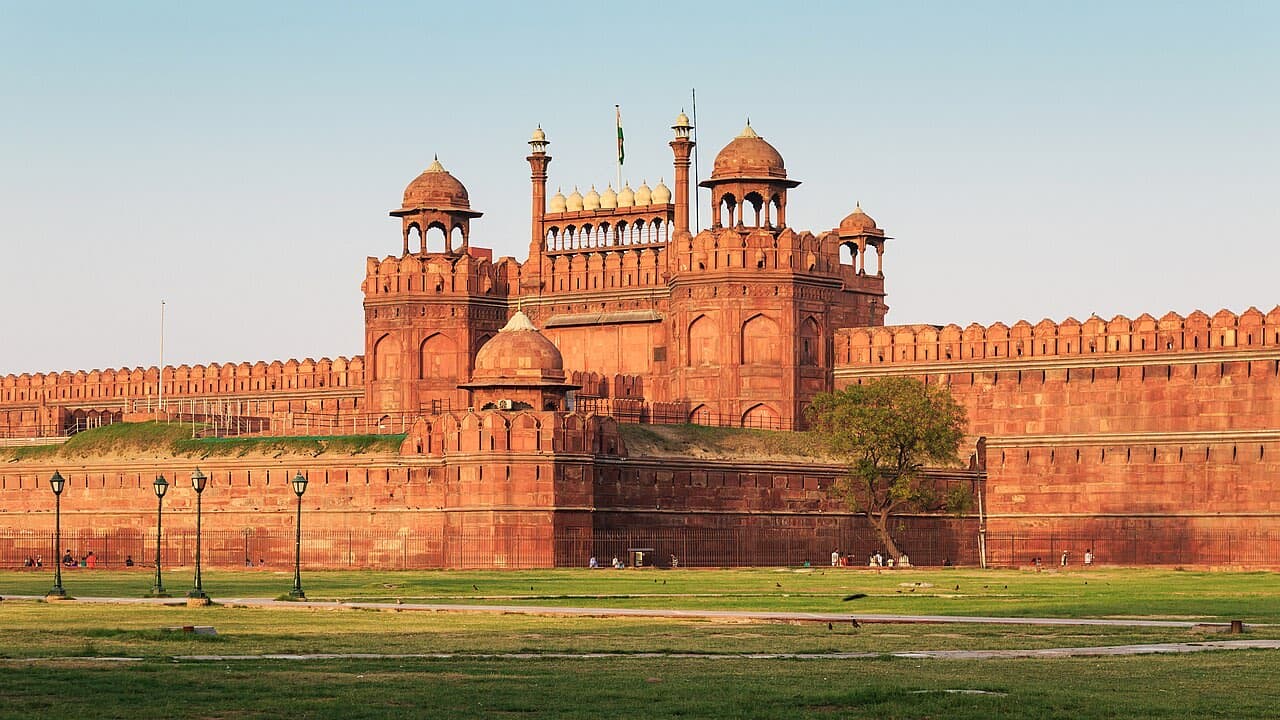
The mighty Mughal fortress of red sandstone where India's Prime Minister raises the flag each Independence Day. A UNESCO site.
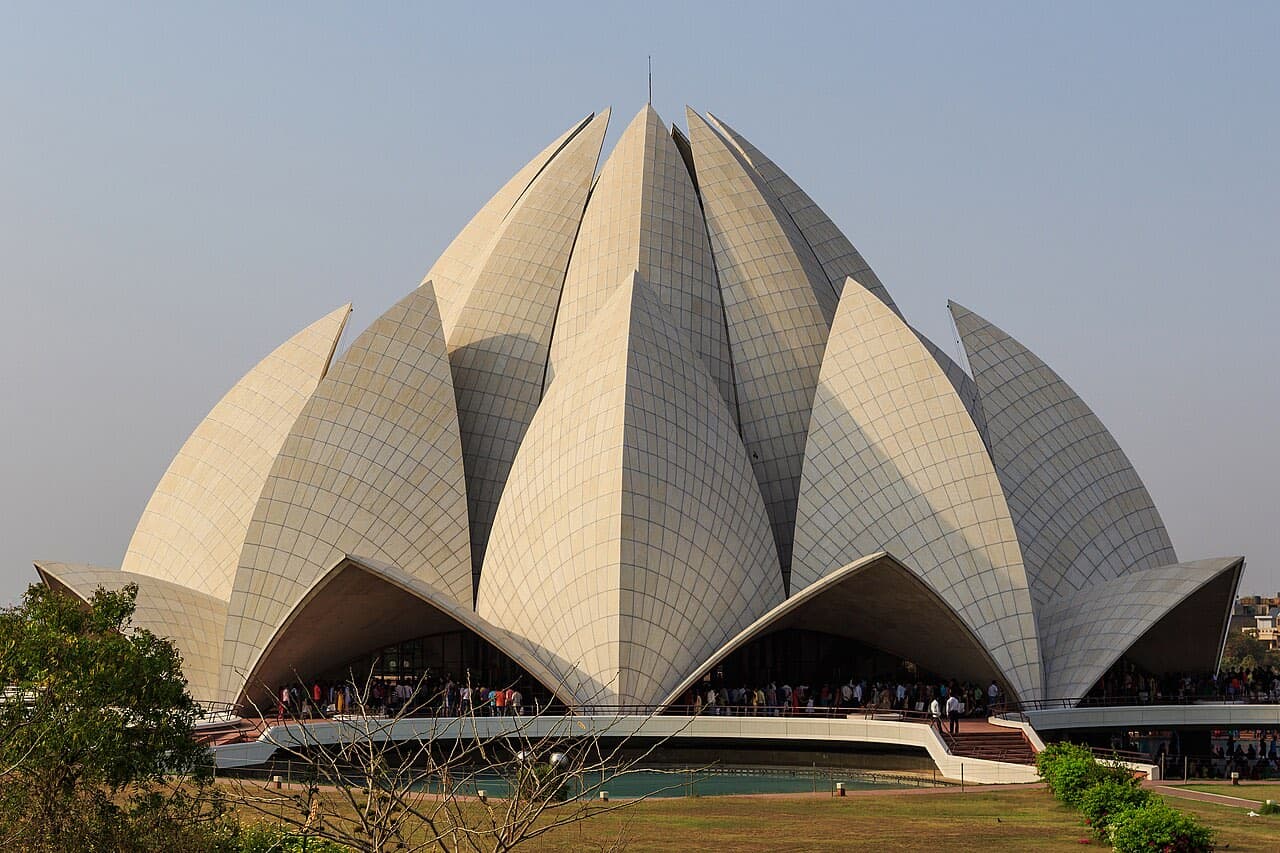 Temple
Photo: A.Savin · FAL — Wikimedia Commons
Delhi · Delhi
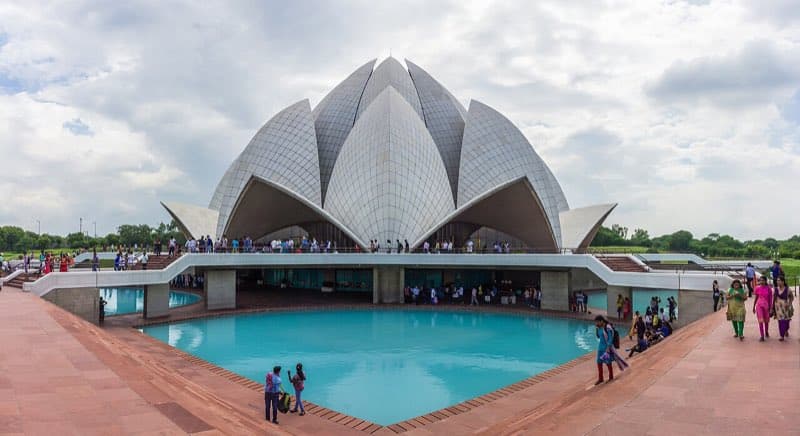
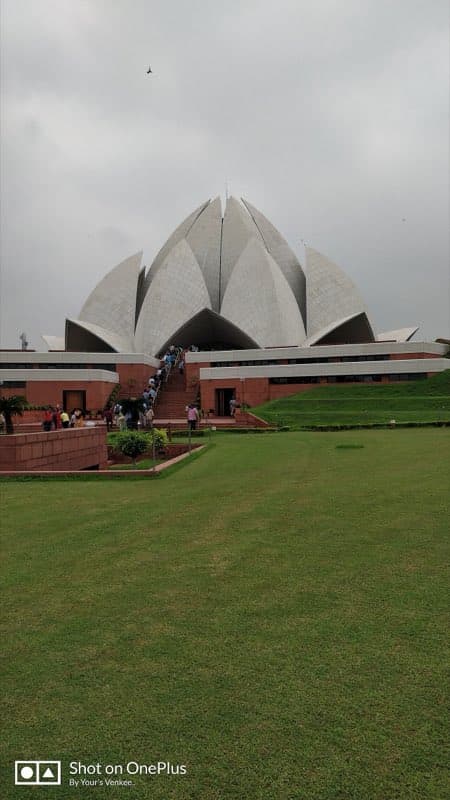
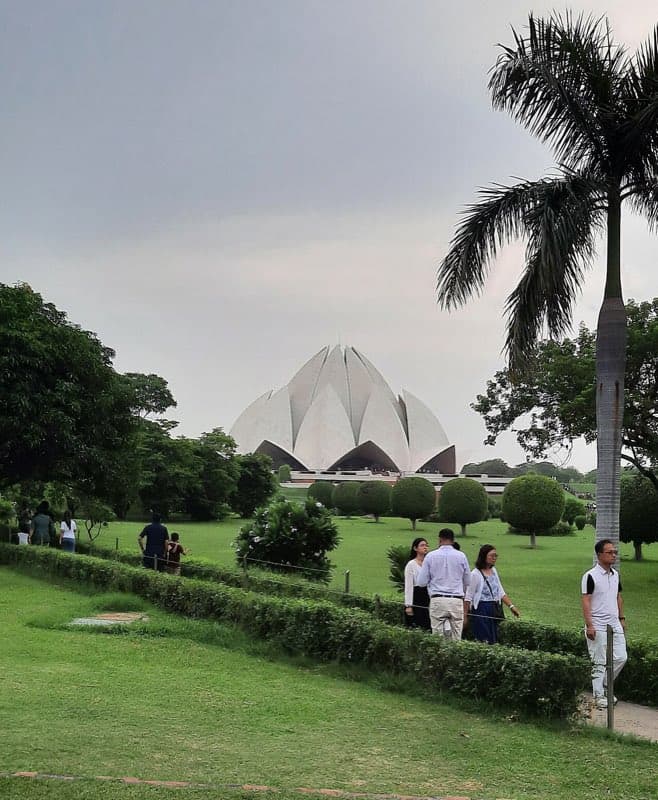
A breathtaking Bahá'í house of worship shaped like a giant white lotus — open to all faiths, and one of the world's most-visited buildings.
Timings
Approx 9 AM – 5:30 PM (closed Mondays)
Entry
Free
Best time
Morning; avoid weekends for smaller queues
Time needed
1 hour
One of the most striking modern buildings in India, the Lotus Temple unfurls like a vast white marble flower with 27 petals. Completed in 1986 as a Bahá'í house of worship, it welcomes people of every religion to sit in silence in its serene central hall — there are no idols, sermons or rituals, just peace.
Set amid landscaped gardens and pools, it has become one of the most-visited buildings on earth, and a symbol of Delhi as memorable as any Mughal monument.
Silence is observed inside — phones off. Queues can be long on weekends; go on a weekday morning. Closed Mondays.
Timings
Approx 9 AM – 5:30 PM (closed Mondays)
Entry fee
Free
Best time to visit
Morning; avoid weekends for smaller queues
Time needed
1 hour
How to reach
South Delhi, Kalkaji; nearest Metro Kalkaji Mandir
Travel help: Rajasthan Tourism 1364 · India Tourist Helpline 1363(toll-free). Timings & fees are indicative — please verify locally before visiting.
Pronite runs Udaipur's best pool parties, techno nights and lakeside events. Join our free guest list and party where the locals do.
Join the guest listLandmarkDelhi · Delhi
The mighty Mughal fortress of red sandstone where India's Prime Minister raises the flag each Independence Day. A UNESCO site.
 Landmark
Delhi · Delhi
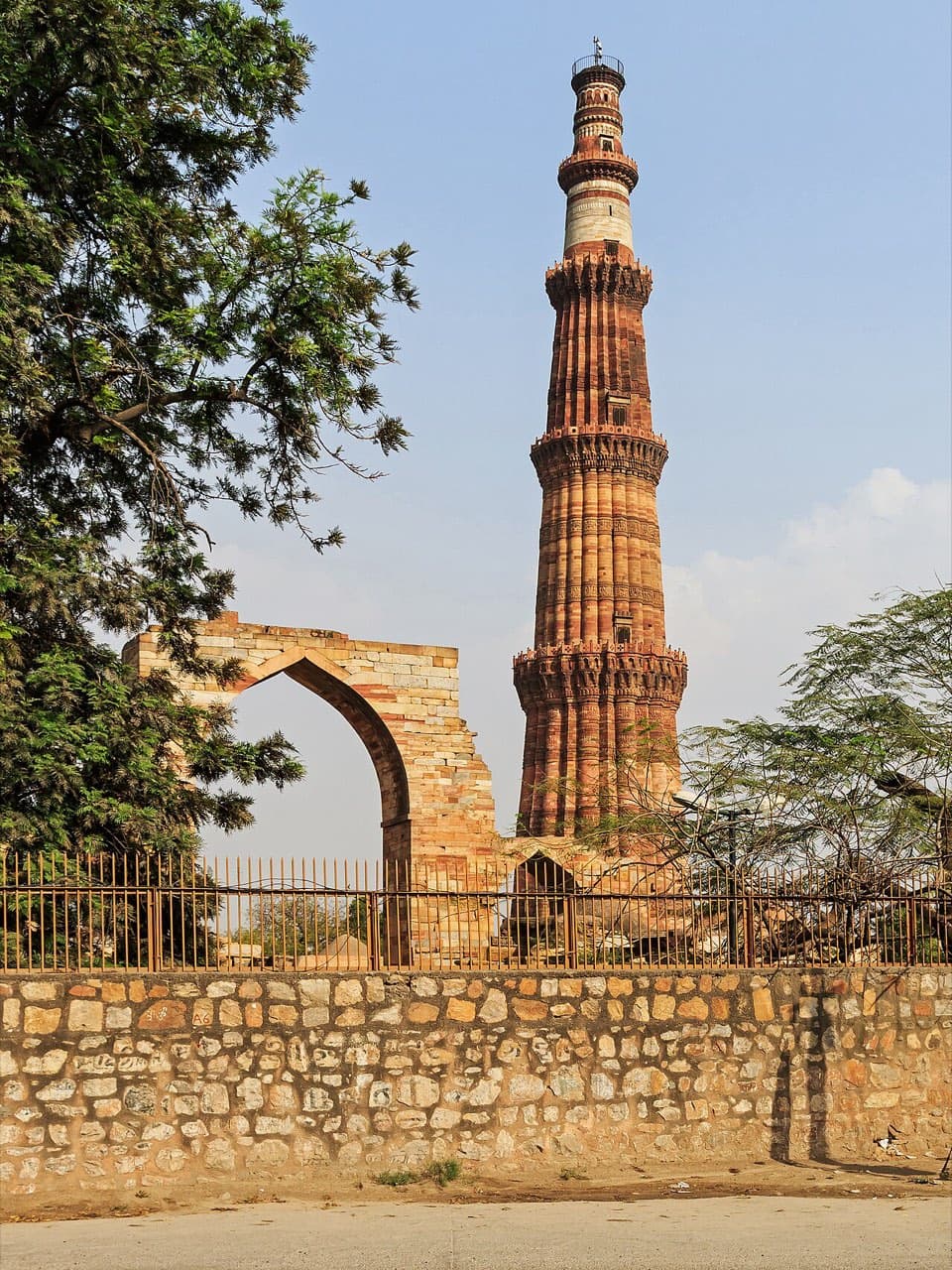
The world's tallest brick minaret — a 73-metre victory tower and UNESCO site rising over a complex of ancient ruins.
 Landmark
Delhi · Delhi
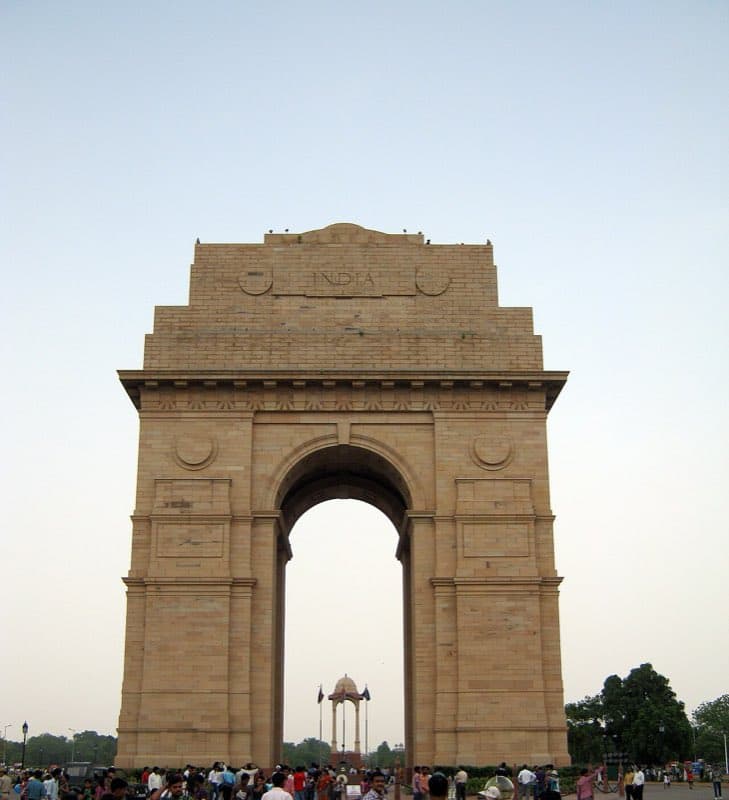
Delhi's grand war memorial arch on the ceremonial Rajpath — floodlit at night and the city's favourite evening gathering spot.
 Landmark
Delhi · Delhi
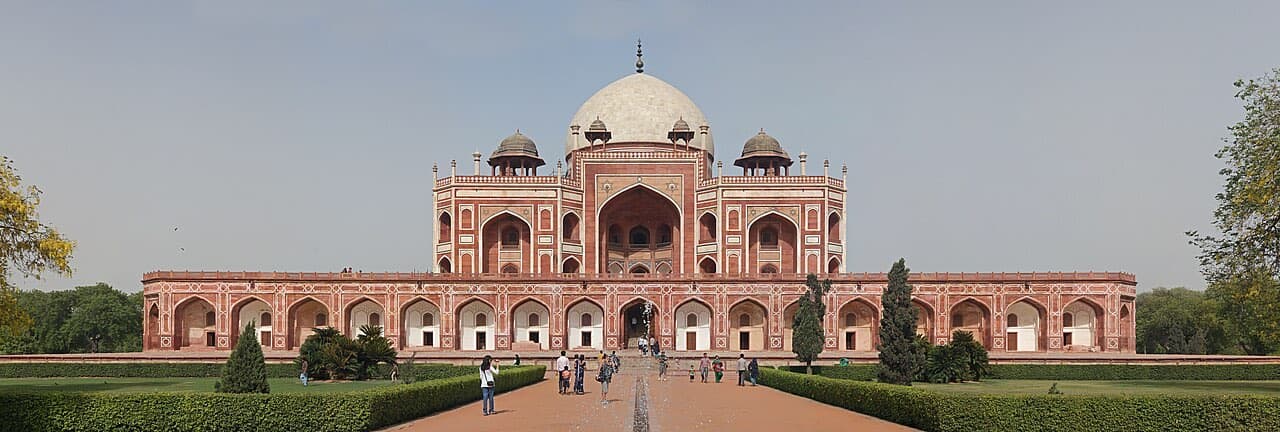
The garden-tomb that inspired the Taj Mahal — a serene UNESCO masterpiece of Mughal architecture in the heart of Delhi.