 Palace & Fort
Amber Fort (Amer)
Jaipur · Dhundhar
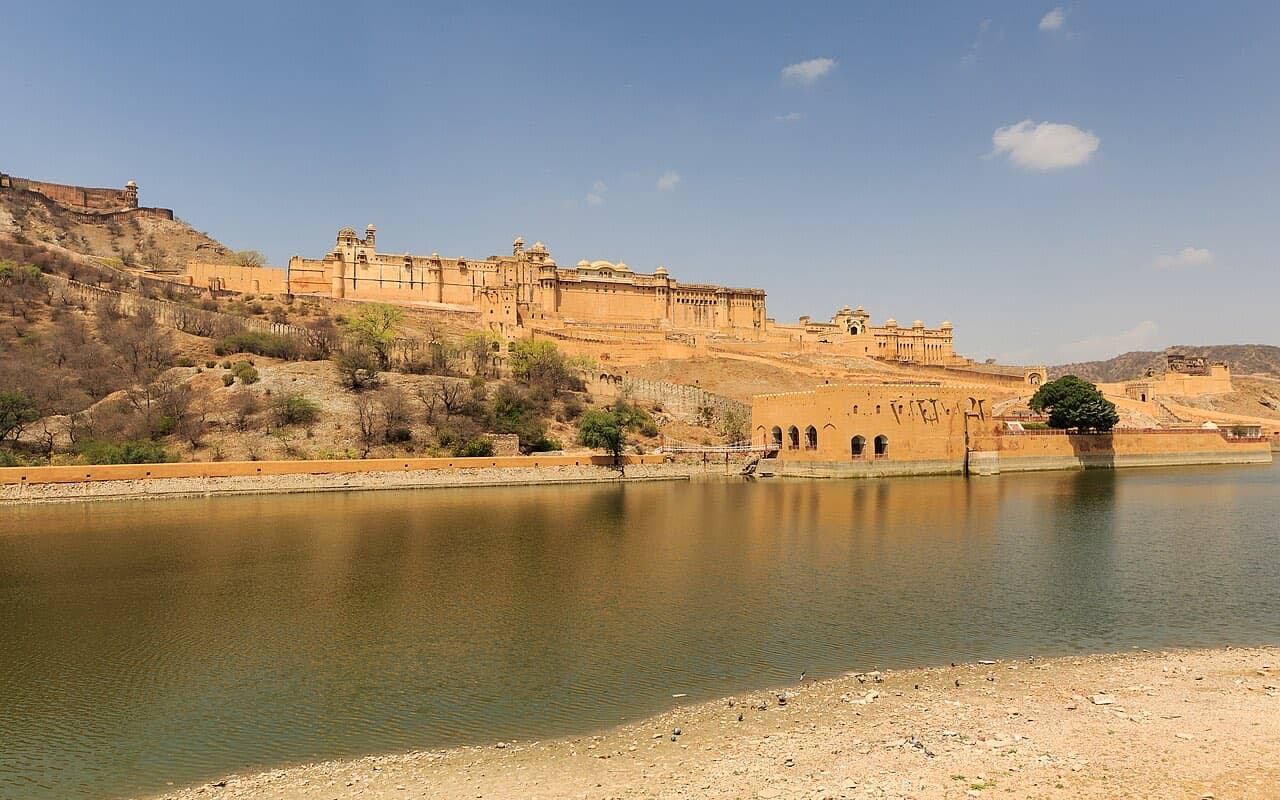
Jaipur's magnificent hilltop fort-palace of honey sandstone and marble, rising above Maota Lake — a UNESCO World Heritage Site.
 Museum
Photo: Sudipta Maulik · CC BY-SA 4.0 — Wikimedia Commons
Jaipur · Dhundhar
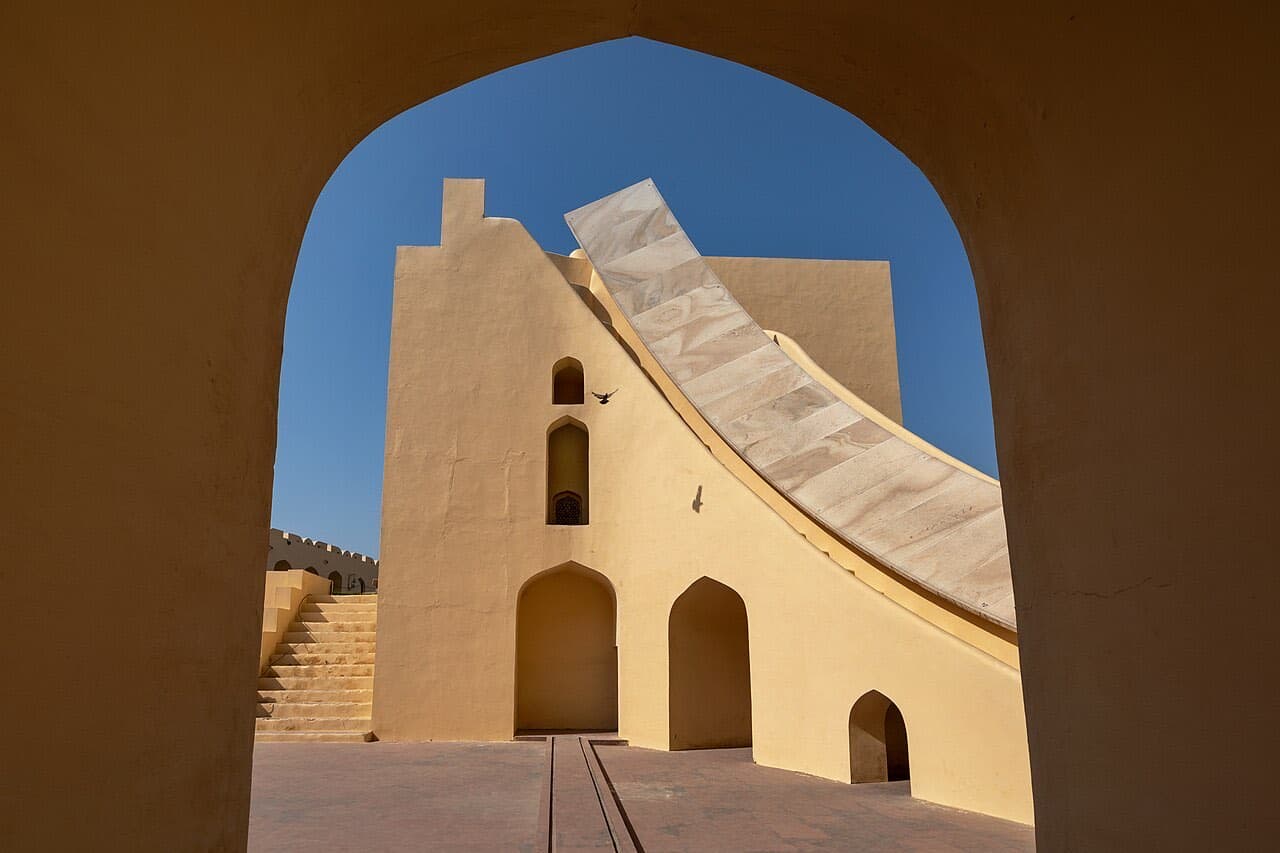
An astonishing 18th-century observatory of giant stone instruments — including the world's largest sundial. A UNESCO site.
Timings
9 AM – 5 PM (daily)
Entry
Approx ₹50 (Indian) / ₹200 (foreign)
Best time
Around noon, when the sundials are most dramatic
Time needed
1 hour
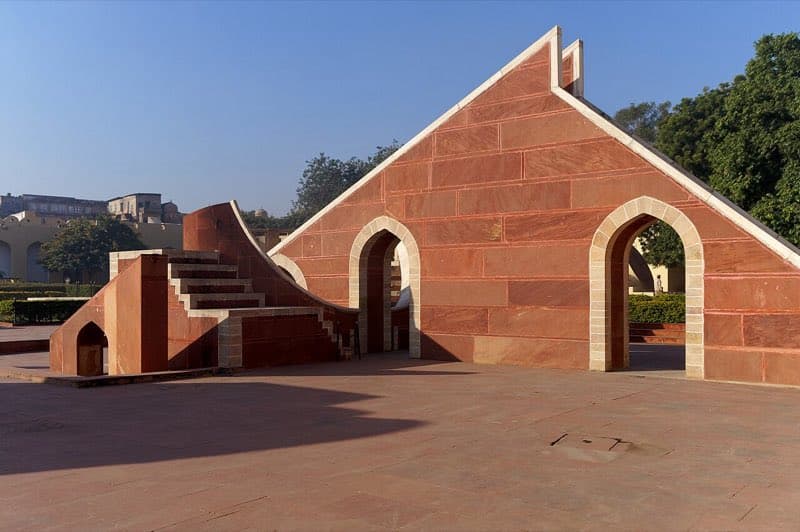
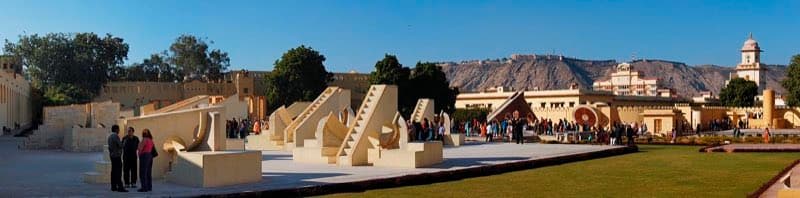
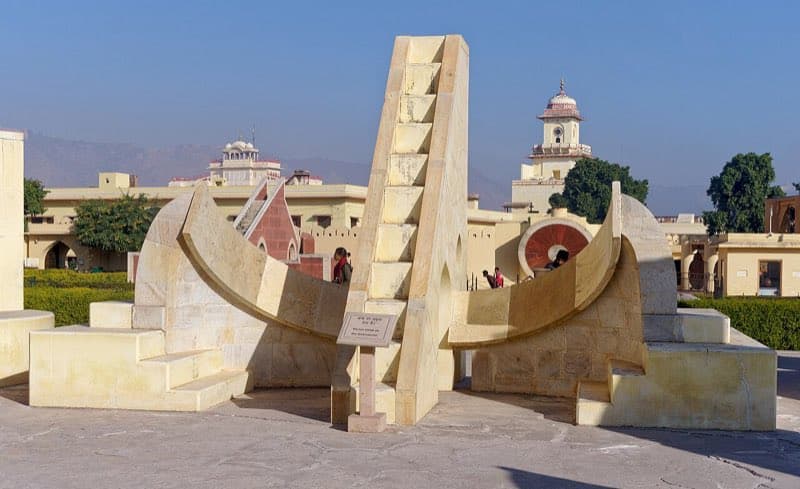
Built in the early 18th century by the astronomer-king Sawai Jai Singh II, Jantar Mantar is the largest and best-preserved of India's historic observatories — a surreal open-air collection of nineteen giant masonry instruments designed to measure time, track the stars and predict eclipses with remarkable accuracy.
The centrepiece is the Vrihat Samrat Yantra, the world's largest stone sundial, which tells local time to an accuracy of two seconds. Walking among these monumental abstract structures feels like wandering through a piece of scientific sculpture — it's a UNESCO World Heritage Site for good reason.
The instruments make far more sense with a guide — it's worth it here. Visit around midday to see the sundials in action. It's right next to the City Palace.
Timings
9 AM – 5 PM (daily)
Entry fee
Approx ₹50 (Indian) / ₹200 (foreign)
Best time to visit
Around noon, when the sundials are most dramatic
Time needed
1 hour
How to reach
Old City, beside the City Palace
Travel help: Rajasthan Tourism 1364 · India Tourist Helpline 1363(toll-free). Timings & fees are indicative — please verify locally before visiting.
Pronite runs Udaipur's best pool parties, techno nights and lakeside events. Join our free guest list and party where the locals do.
Join the guest listPalace & FortJaipur · Dhundhar
Jaipur's magnificent hilltop fort-palace of honey sandstone and marble, rising above Maota Lake — a UNESCO World Heritage Site.
 Palace & Fort
Jaipur · Dhundhar
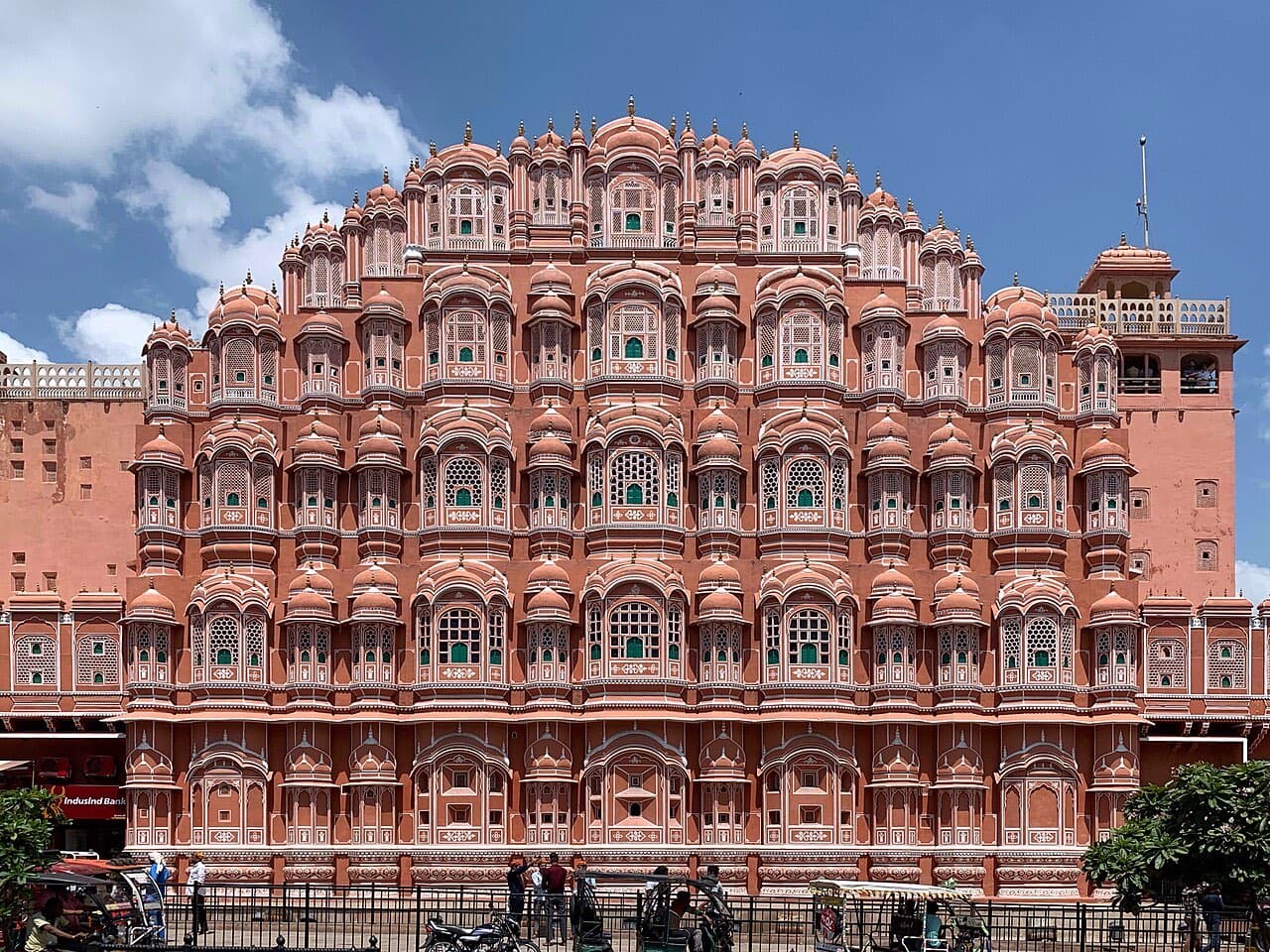
The iconic 'Palace of Winds' — a five-storey honeycomb façade of 953 windows, the postcard image of Jaipur.
 Palace & Fort
Jaipur · Dhundhar
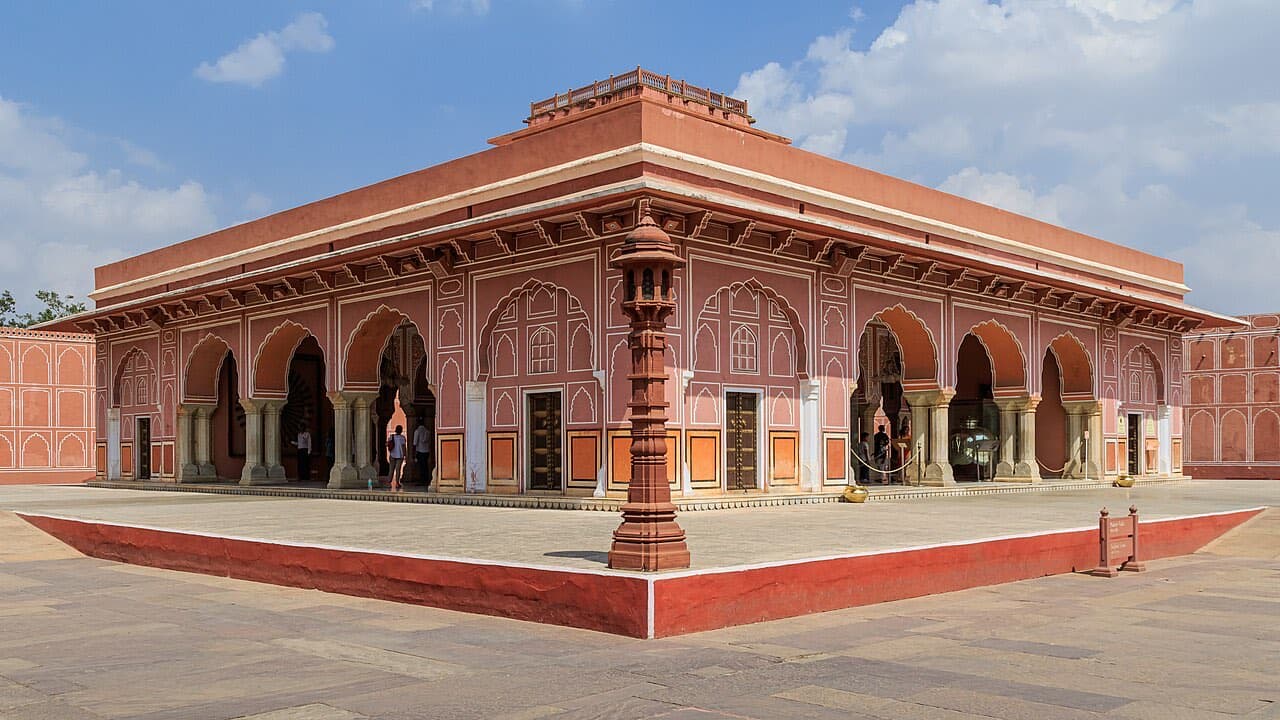
The still-royal heart of Jaipur — a sublime blend of Rajput and Mughal architecture, courtyards and museums.
 Viewpoint
Jaipur · Dhundhar
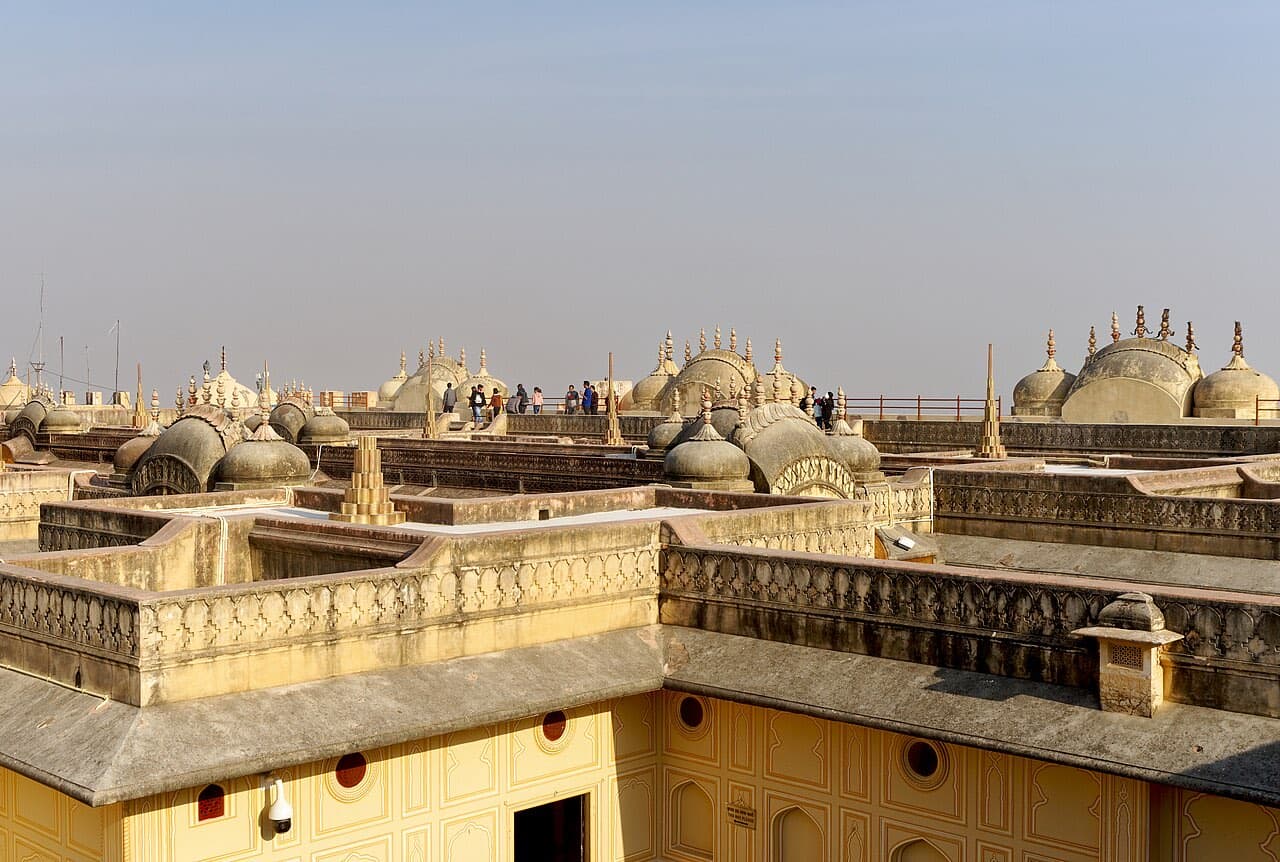
A rugged hilltop fort guarding Jaipur from the Aravallis — and the city's best sunset viewpoint over a sea of pink rooftops.